I’ve been thinking about that sentence ever since. It assumes grief is something you can be graded on. But who wrote the rubric? Mostly stage models, the idea of ‘closure,’ and a culture that wants grief to be quick and private. When people say they’re bad at it, they might mean they cry too much, or can’t cry, or feel numb, or feel relief, or are still in it years later. Each of those is just grief taking a form. Rather than wondering if we’re grieving correctly, we could ask a better question- “what helps me stay in relationship with what I lost?”
Read MoreA good practice is to consider what the group would feel like if it were in person. And then with each decision you make, consider whether that would make sense for the group in person. Communication is really key.
Read MoreInfection control is a pretty hot topic in any healthcare setting and should be, in my opinion, a hot topic in any setting. If you don’t want to get sick, avoiding germs is key. Even more important is not *spreading* germs to other people- especially if you are coming in contact with anyone with compromised immune systems. So even if you’re feeling great, you may still be carrying disease from client to client. On your hands, your shoes, your gear.
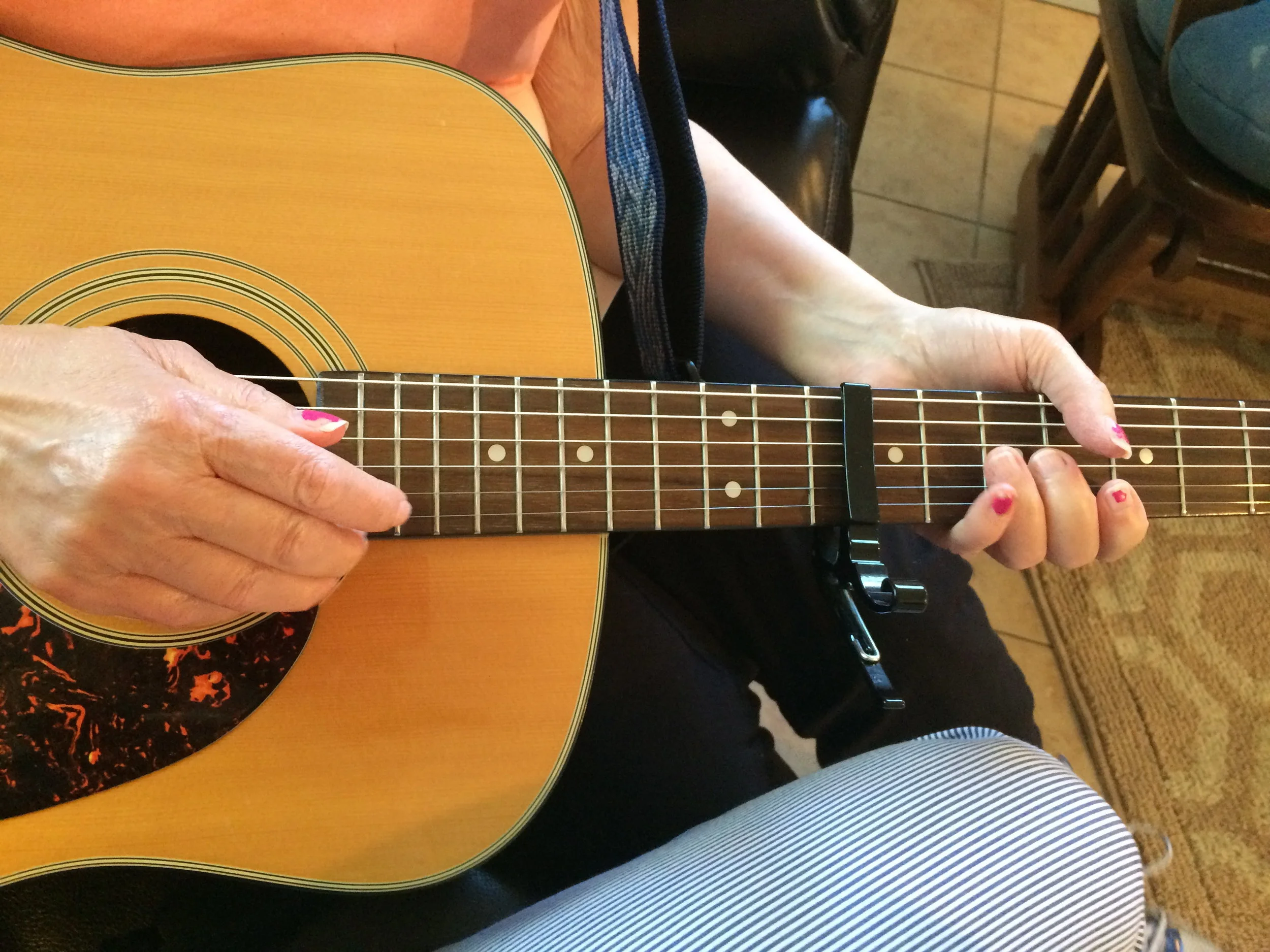
Read MoreConsider adaptive instruments and mallets - I especially like T shaped mallets for folks who have difficulty gripping a regular drum stick. It is also easy to adapt instruments like guitar just by tuning them differently- an open tuning is a good way to start if you just want a person to have a positive experience at first.
Read MoreIf you're a music therapist, music teacher, activities director, or anyone who would like to incorporate instruments in your healthcare setting, this list is for you.
Read MoreThere is more to empathy than just taking on another person's feelings. It's about being open to how someone might feel, without judgment or assumption. It's about actively listening, and then really thinking about what you say and whether it really needs to be said. Sometimes, the best way to listen is silently.
Read More